Cost-Effective Bath Resurfacing in Perth for Your Home
.png)
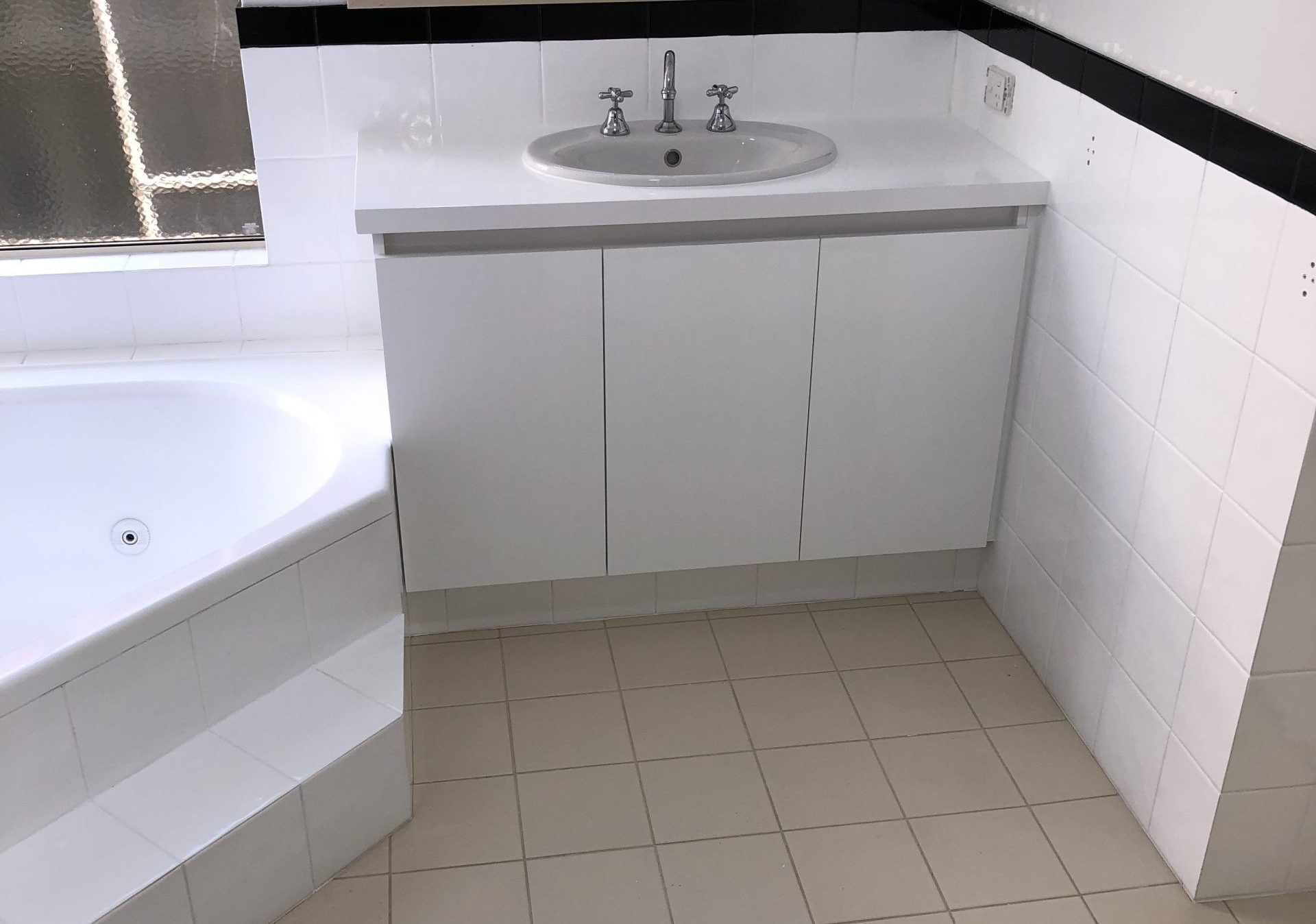
Thinking about freshening up your bathroom in 2026, but not keen on ripping it apart or living with tradies for weeks? Bath resurfacing is one of the most practical ways Perth homeowners are updating tired bathrooms without the cost and chaos of a full renovation.
What is bath resurfacing?
Bath resurfacing (also called re-enamelling or refinishing) is a process where a specialist repairs and re-coats the surface of your existing bathtub. Instead of removing the old bath and installing a new one, the technician works on the tub that is already in place.
They clean and prepare the surface, fix chips and worn areas, then apply a professional coating system such as a 2Pac style enamel. The goal is a smooth, fresh, like-new finish in the colour you choose, without changing the layout of your bathroom.
This approach suits most common bath materials, including older steel and pressed metal tubs, many acrylic baths, and built-in baths surrounded by tiles.
Why Perth homeowners are choosing resurfacing
More Perth households are looking for cost-effective ways to update without overcapitalising. Resurfacing fits that brief very well.
Key reasons it is growing in popularity:
- Lower cost compared to replacement New baths often seem affordable at first glance, but once you factor in plumbing changes, tiling, waterproofing, rubbish removal, and possible tweaks to walls or floors, costs climb quickly. Resurfacing keeps the existing bath in place, which helps you avoid most of that extra work.
- Minimal disruption to daily life A full bathroom renovation can leave you without a usable bathroom for an extended period. A typical bath resurfacing job is completed in a short, defined window, and in many cases the bath is ready to use again after a set curing time. You keep the same layout, so there is no structural work or demolition dust through the house.
- Faster way to modernise If the bath is structurally sound but stained, dated, or scratched, resurfacing gives it a clean, modern finish in a matter of days, not weeks.
- Better use of what you already have Resurfacing extends the life of your existing bath. This reduces waste compared to sending a heavy tub to landfill and buying new. Many Perth homeowners prefer this option when they want a refresh that aligns with a more sustainable mindset.
Part of a smarter refresh, not just the bath
Bath resurfacing also sits neatly alongside other budget friendly updates such as tile resurfacing, vanity or cabinet spray painting, and benchtop refinishing. When planned together, these services can give your whole bathroom a coordinated new look without the full renovation price tag.
If you are weighing up options for your bathroom, you can explore broader services on our bathroom resurfacing page, or get a tailored recommendation for your home through a quick quote request on our contact page.
Understanding the bath resurfacing process in Perth
Knowing what actually happens on resurfacing day helps you plan around it and feel confident about the result. While every Perth home is a bit different, most professional bath resurfacing follows a similar step by step process.
1. Site protection and ventilation
The technician starts by protecting surrounding areas. This usually means masking tiles, taps, floors, and nearby fixtures with plastic and tape. Good ventilation is set up so odours move out of the bathroom, not into the rest of your home. You can expect a bit of noise from equipment during this stage, but it is short lived.
2. Deep cleaning and surface preparation
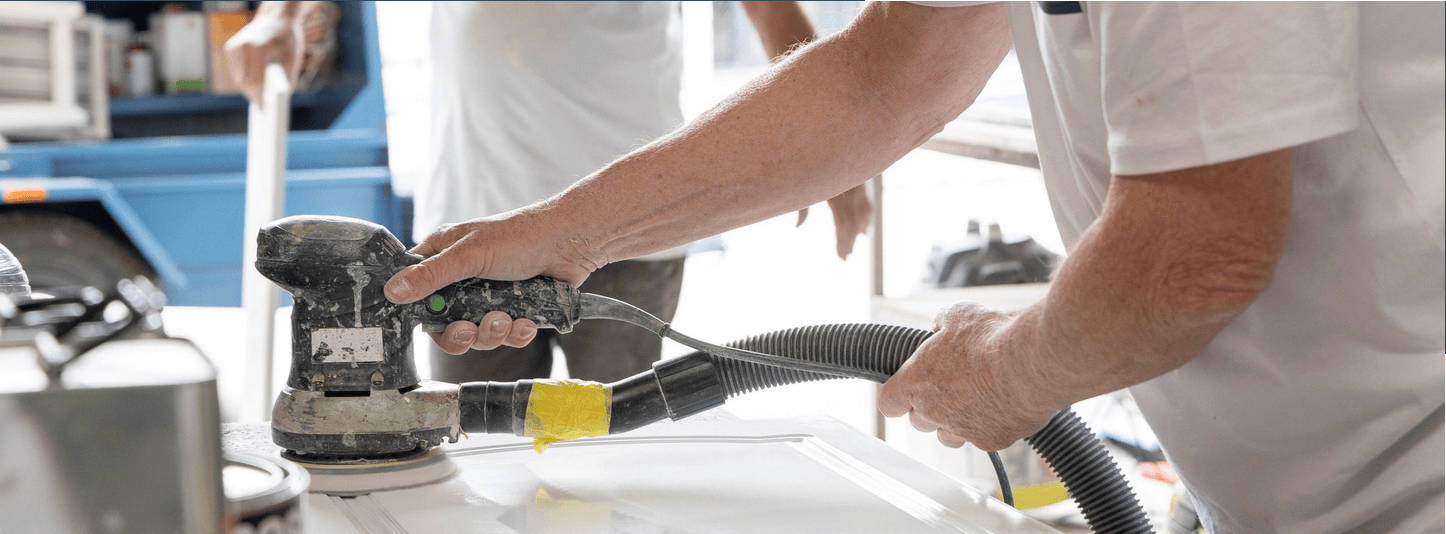
Any successful resurfacing job begins with thorough cleaning. The old bath surface is cleaned to remove soap scum, body oils, silicone, and residue from previous products. The technician then keys the surface, which means creating a fine texture so the new coating can grip properly. On some baths this involves light sanding. On others it involves specialist etching products designed for that material.
3. Repairing chips, cracks, and worn areas
Next, visible damage is addressed. Chips, hairline cracks, pitting, rust spots, and worn patches are filled and levelled with suitable repair compounds. The aim is a smooth, even base before any coating goes on. You can expect your technician to point out which marks will be fully repaired and which deeper structural issues (if any) may limit the finish.
4. Applying the new coating system
Once repairs cure, the bath is carefully wiped down and masked again. A specialist coating system, often a 2Pac style enamel or similar hard wearing product, is then sprayed in several light coats. This creates the fresh, glossy finish that looks like a new bath. The spraying stage is quite quick compared to the preparation, but it needs controlled conditions. Most professionals will ask you to keep pets and family members out of the work zone while they spray.
5. Colour choice and anti slip options
You choose your colour before the work starts. Many Perth homeowners go for a classic white that matches existing tiles, although there are usually other neutral shades available. If you are updating other surfaces through wider residential resurfacing, your technician can help you coordinate colours across baths, tiles, and cabinets.
Anti slip treatments are often applied in the base of the bath. These can be integrated into the coating system or added as a separate clear texture. They aim to give better grip underfoot without making cleaning a headache.
6. Curing time and when you can use the bath
After spraying, the bath needs time to cure. You cannot use it during this period. Your technician will give you a specific time frame based on the product used and local conditions. A typical Perth bath resurfacing job is usually completed within a set day, with curing taking place after the technician leaves.
Once cured, the masking comes off, the area is tidied, and you can start using your bath again. You will also receive care instructions so you know which cleaners to use and what to avoid to keep the finish looking good for as long as possible. For more detail on what to expect across your whole home, you can browse our past projects gallery.
Resurfacing vs replacement in Perth bathrooms and kitchens
When you are weighing up resurfacing against full replacement, it helps to look at each option through the same lens. Cost, disruption, lifespan, environmental impact, and how the finished room will actually look and feel day to day.
Cost and disruption to daily life
Resurfacing works with what you already have. Your bath, tiles, cabinets, and benchtops stay in place. The focus is on preparation, repairs, and spraying new coatings. This avoids most plumbing changes, demolition, rubbish removal, and structural work. For many Perth homes that means lower overall spend and far less time without a working bathroom or kitchen.
Replacement usually costs more once you factor in fixtures, trades, and finishing work. You also deal with more noise, dust, and disruption over a longer period. Losing your main bathroom or kitchen for an extended time can be a real strain, especially with kids or only one wet area.
Durability and lifespan
A quality resurfacing job, using professional grade coatings and solid preparation, can give you a hard wearing finish that stands up to regular family use. Lifespan depends on how well the original surface is prepared, the products used, and how you care for it. Gentle cleaners and a bit of basic maintenance go a long way.
Full replacement can be a good fit if fixtures are badly damaged, moving, or the layout no longer works. New products come with their own wear patterns and care needs, and some modern materials can mark or chip more easily than people expect. The best choice comes down to the condition of what you have today and how long you plan to stay in the home.
Environmental impact
Resurfacing keeps existing baths, tiles, cabinets, and benchtops out of landfill. You are refreshing the surface instead of sending heavy materials off for disposal and bringing new ones in. For many Perth homeowners this sits better with a lower waste mindset.
Replacement can make sense when items are beyond repair, but it does mean more manufacturing, transport, and disposal. If the main issue is colour, staining, or cosmetic wear, resurfacing is usually the lighter footprint choice.
Aesthetic outcomes for baths, cabinets, benchtops, and tiles
Resurfacing gives you a chance to modernise colour, finish, and texture without changing the entire room. Baths can be refreshed in crisp whites or neutrals, tiles can move from dated tones to cleaner, more current shades, and cabinets can be resprayed for a fresh, factory style finish. Stone look coatings for benchtops can also be part of a coordinated scheme. You can see more on that on our kitchen benchtop resurfacing page.
Replacement opens up layout and design changes. You can change bath shapes, cabinet profiles, and benchtop thicknesses. This suits major renovations or when you want a completely different configuration. Just keep in mind that changing one element often triggers extra work in tiling, flooring, and painting around it.
How to decide what suits your Perth home
A simple way to choose is to assess each area with three questions.
- Is it structurally sound, just worn or outdated in colour
- Am I happy with the current layout and footprint
- Do I want a faster, lower mess update, or am I ready for a full renovation
If most answers point to “yes, it works but looks tired”, resurfacing is usually the smarter first step. When you are ready to look at options across your kitchen as well, our kitchen resurfacing specialists in Perth page walks through what can be done without a full rebuild.
Additional resurfacing services for a cohesive Perth kitchen and bathroom
Bath resurfacing on its own can make a big difference, but the real impact comes when you update the surrounding surfaces as well. By resurfacing cabinets, benchtops, tiles, and splashbacks, you can bring the whole room into line without a full strip out.
Cabinet respraying and spray painting
Old cabinet doors often let a bathroom or kitchen down. The frames might still be solid, but the colour and finish feel dated. Cabinet respraying keeps the carcasses in place and focuses on the visible parts, such as doors, drawer fronts, and end panels.
A professional will remove or mask hardware, prepare the surfaces, then spray on a new coating in your chosen colour. You can go from dark timber tones to a lighter neutral, or update cream cupboards to a cleaner white. This pairs well with a newly resurfaced bath or vanity top, since you can match or contrast the colours for a consistent look. For more detail on this process in kitchens, you can visit our kitchen cabinet resurfacing page.
Benchtop refinishing
Benchtops cop a lot of wear. Chips, stains, and heat marks build up over time. Benchtop refinishing focuses on renewing the top surface, often with a hard wearing coating system that can include stone look finishes.
In bathrooms and kitchens, this lets you shift from older colours to a more current scheme without pulling out the whole top. When you combine a fresh benchtop with resurfaced cabinets and a new bath coating, the entire space starts to feel planned, rather than patched together.
Wall and floor tile resurfacing
Many Perth homes still have sound tiles with dated colours or heavy grout lines. Tile resurfacing involves cleaning, repairs, and spraying a specialist coating across the tile and grout together. The aim is a uniform colour and smoother feel.
On walls, this can mean moving from patterned or coloured tiles to a simple neutral. On some floors, a carefully chosen system can brighten the space and support better grip. This becomes especially effective when your newly resurfaced bath sits against tiles that now match in tone and finish.
Splashback and feature updates
Splashbacks in kitchens and behind vanities can also be resurfaced if the existing surface is suitable. The same preparation and coating approach applies. You choose a colour and finish that works with your cabinets and benchtops, then the technician resprays it in place.
This gives you a chance to tone down busy patterns, tie in feature colours, or create a cleaner backdrop for fixtures and decor. When bath, tiles, cabinets, benchtops, and splashbacks are all planned together, you get a cohesive refresh that feels new without the full renovation spend.
If you would like to extend this approach into your laundry as well, you can see what is possible on our laundry resurfacing in Perth page.
Choosing the right bath resurfacing provider in Perth
Who you choose to resurface your bath or bathroom surfaces matters more than the products themselves. A skilled Perth technician, using quality coatings and clear processes, is what gives you a finish that looks good and lasts.
What to look for in a local resurfacing specialist
1. Solid experience with Perth homes
Ask how long they have been resurfacing baths, tiles, and cabinetry in local conditions. Perth water quality, ventilation, and common building styles all affect product choice and method. Look for a provider that can clearly explain how they handle older steel baths, acrylic tubs, tiled surrounds, and mixed bathroom setups.
2. Warranties and aftercare
A reputable business will stand behind its work. Ask what warranty is offered on bath resurfacing, tile coatings, and cabinet spraying, and what is covered. Clarify how you request a fix if you notice an issue after the job, and whether you receive written care instructions. You can also review broader information about processes and expectations on their frequently asked questions page if they have one.
3. Product quality and coating systems
Not all coatings are equal. Ask what type of system they use, for example a 2Pac style enamel or similar hard wearing product, and whether it is suited to your bath and tiles. A good provider will explain why they use particular primers, topcoats, and anti slip options, and how long each step needs to cure.
4. Colour and finish options
Check the range of colours and finishes available for baths, tiles, cabinets, and benchtops. You want a clear sample system or colour chart, plus guidance on how to match or contrast with what you are keeping. If you have custom ideas, see if they offer tailored work through a service similar to custom resurfacing requests.
5. Safety features, including anti slip
Ask about anti slip treatments for the bath base and wet area floors. Clarify how noticeable the texture will be underfoot, how it affects cleaning, and whether it can be refreshed in future. Also confirm how they manage ventilation and odour control while working inside your home.
6. Clear, honest communication
From the first quote, you should feel that the provider listens to your goals and is upfront about what resurfacing can and cannot fix. Look for clear written quotes, realistic timeframes, and simple explanations rather than jargon. If something sounds vague or rushed, that is a red flag.
Key questions to ask before you book
- What surfaces in my bathroom or kitchen are suitable for resurfacing, and which ones are not
- Which coating system will you use on my bath, tiles, cabinets, and benchtops, and why
- What preparation will you carry out on site, and how will you protect nearby areas
- How long will I be without my bath or main bathroom, from start to full cure
- What written warranty do you provide, and what would void it
- What care routine and cleaning products do you recommend after the job
If a Perth resurfacing provider can answer these questions clearly, provide written details, and show consistent work, you are on the right track to a result that suits your home and budget.
Cost considerations and value for Perth homeowners
When you compare resurfacing with full replacement, cost is usually the first thing that comes to mind. The key is to look beyond the initial quote and consider what you get for your money over the life of your bathroom or kitchen.
What affects the cost of bath and surface resurfacing
Resurfacing prices in Perth vary, because every home is different. Typical factors include:
- Condition of the existing surface Heavier wear, rust, cracks, or water damage usually means more preparation and repair. That extra labour can increase the price compared with a bath or benchtop that only needs light work.
- Type of surface and material Steel baths, acrylic tubs, tiles, laminate benchtops, and cabinetry all need different primers and techniques. Some materials are faster to work with, others need extra steps.
- Size and complexity of the job A single bath costs less than a full bathroom with bath, tiles, and vanity, or a combined kitchen and bathroom package. Intricate shapes, built in surrounds, and awkward access can also add time.
- Coating system and finish Higher quality coatings, stone style finishes, or specialty colours may sit at the higher end of the range compared with a basic white system.
- Site access and location within your home Upstairs bathrooms, tight stairwells, or limited parking can affect how long set up and pack up take.
Value added benefits beyond the upfront price
A good resurfacing job is about more than a fresh colour. You are paying for preparation, repair, and a coating system designed to handle daily use in Perth homes.
- Warranties and support Reputable resurfacing companies provide written warranties and clear aftercare advice. This gives you some reassurance if an issue appears after the job.
- Reduced future maintenance A smooth, sealed surface is usually easier to clean than stained enamel, worn laminate, or heavily grouted tiles. With the right cleaners and routine, you can cut back on scrubbing and specialist products.
- Less downtime and disruption Because your fixtures stay in place, you avoid extended periods without a working bathroom or kitchen. This has its own value, especially if you only have one main wet area.
- Flexibility across the home Resurfacing lets you spread your budget, for example by refreshing bath, tiles, and vanity now, then moving to the kitchen later. For more detail on kitchen pricing frameworks, you can read our guide on kitchen resurfacing cost in Perth.
Comparing resurfacing cost with full replacement
When you price a new bath or new cabinets, it is easy to focus on the sticker price. The real cost sits in everything around it.
- Resurfacing You keep existing baths, tiles, benchtops, and cabinets, and pay for preparation, repairs, and coatings. There is usually one main trade on site, and fewer hidden extras.
- Replacement You pay for new fixtures, plumbing adjustments, demolition, rubbish removal, tiling or flooring repairs, and painting or patching around new items. Each step can add to the original quote, especially in older Perth homes.
Many homeowners use resurfacing to extend the life of a bathroom or kitchen for another [insert timeframe], or to present a property well for sale without overcapitalising. You save the larger renovation budget for when you are ready to change layouts or move walls.
You do not need to guess.
If you want a clear, written quote based on your own bath, tiles, or cabinets, you can contact our team of Perth resurfacing specialists. Share a few photos and a quick description, and we will outline options that suit your budget and plans for the home.
Maintaining your resurfaced bath, tiles, cabinets, and benchtops
Good maintenance is what keeps your resurfaced bath and other coated surfaces looking fresh for longer. The products used are tough, but they still need the right care, especially in busy Perth households.
Choosing the right cleaning products
Use gentle, non abrasive cleaners. Stick with mild liquid cleaners or pH neutral products. These clean off soap scum and grime without scratching or dulling the coating.
Avoid harsh products. Do not use scourer pads, cream cleansers with grit, bleach based sprays, strong solvents, or oven cleaner style products on resurfaced areas. These can damage the gloss, cause staining, or break down the coating over time.
If you are unsure about a product, test it on a small, hidden spot first. You can also check any specific advice your resurfacing technician included in their care guide or on their latest maintenance articles.
Day to day habits that protect the finish
Rinse and dry where you can. After baths or showers, a quick rinse and a light wipe with a soft cloth helps stop soap and minerals building up, especially with Perth water.
Do not leave sitting water or chemicals. Avoid soaking clothes in the bath, leaving hair dye or fake tan on surfaces, or resting cleaning chemicals on benchtops and tiles. These can stain or soften the coating if left for long periods.
Use mats and trivets. On resurfaced benchtops, place hot pots and hair styling tools on boards or mats, not directly on the surface. In baths and showers, choose mats with smooth backs rather than strong suction cups.
Preventing chips, scratches, and impact damage
Handle heavy items carefully. Try not to drop shower caddies, metal bottles, or tools into the bath or onto resurfaced tiles. A hard impact can chip any coated surface.
Do not drag objects. Lift appliances, baskets, and decor off benchtops and vanity tops when you move them. Sliding items with rough bases can leave fine scratches.
Protect cabinet doors. Use soft close hinges where possible, and avoid slamming doors or drawers. Wipe spills from handle areas so oils and moisture do not sit on the coating.
How often to clean resurfaced areas
Light, regular cleaning beats heavy scrubbing. Plan a simple routine, for example a quick clean of the bath and main tiles every [insert timeframe], and a deeper wipe down of cabinets and benchtops on your usual house clean cycle.
This approach keeps surfaces clear without needing aggressive cleaners. It also helps you spot early signs of wear before they turn into bigger issues.
When to book touch ups or inspections
Contact your resurfacing provider if you notice any of the following.
- Small chips or impact marks that expose the original surface
- Areas where water is consistently pooling or not draining well
- Fine cracking, peeling edges, or lifting silicone around resurfaced zones
In many cases, small issues can be repaired with a local touch up if they are caught early. Your warranty terms will outline what is covered and how to lodge a request.
If your whole bathroom or kitchen was resurfaced some time ago, a quick inspection can confirm whether the coating is still performing or if a refresh is worth planning as part of wider home updates. For ideas on timing resurfacing with the rest of your home projects, you can read our guides in the latest news section.
Ready for expert advice specific to your Perth home
You do not have to guess what is safe for your particular bath, tiles, or cabinets.
If you would like product specific care tips or want a quote for touch ups or new resurfacing work, reach out to our Perth team. Share a few photos and a short description of your bathroom or kitchen, and we will give you straightforward advice on the best next steps for your home and budget.