Kitchen Cabinet Respraying in Perth: Benefits, Costs and Process

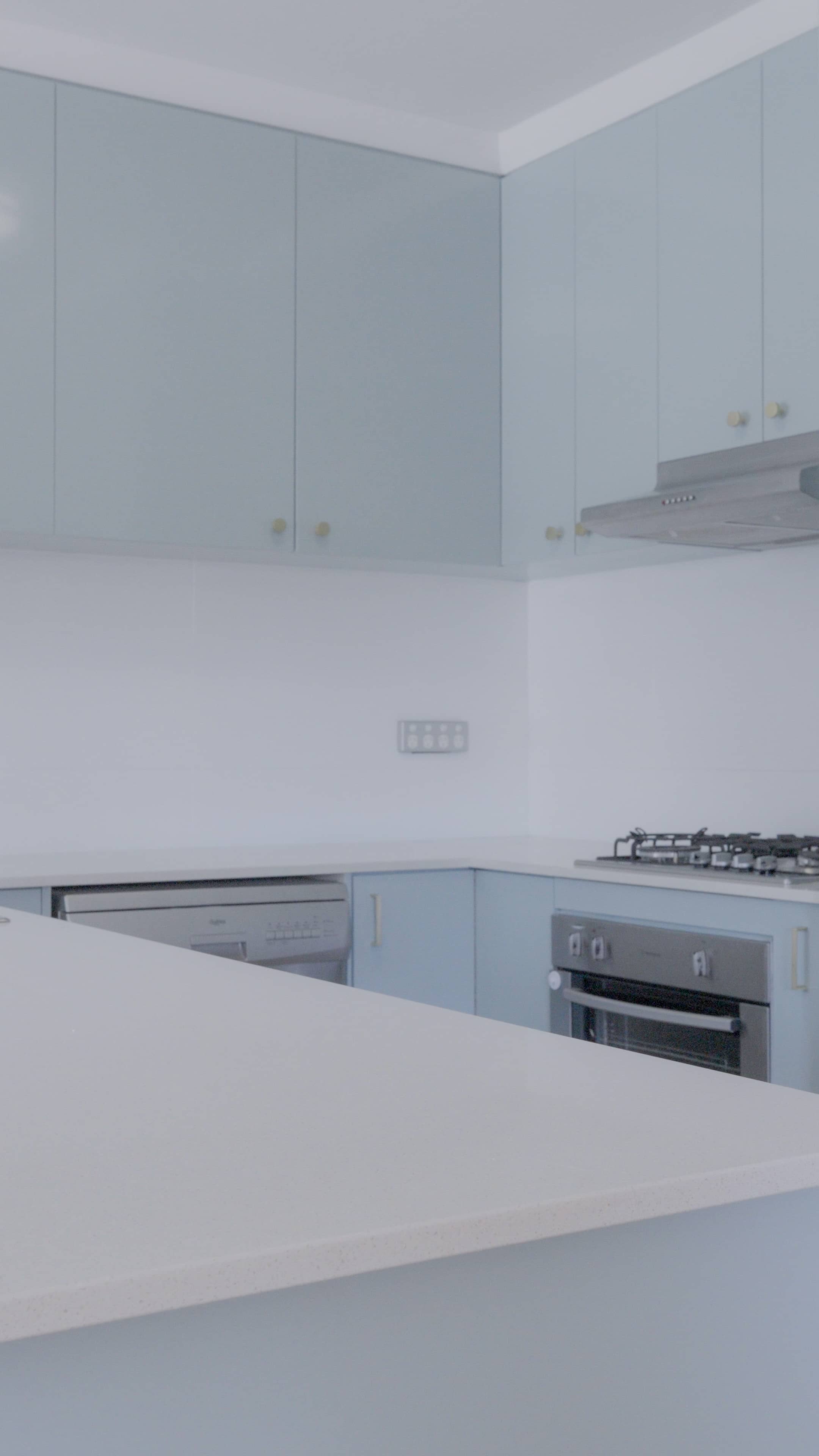
Kitchen cabinet respraying gives your existing doors, drawer fronts and frames a smooth, factory-like 2-pack finish in any colour, for typically up to 70% less than replacing the cabinets. The cabinet boxes, layout and plumbing stay as they are; only the finish changes. This guide explains how kitchen cabinet respraying works in Perth, its benefits, what drives the cost, and how to compare quotes so you get real value rather than just a low number.
What cabinet respraying is
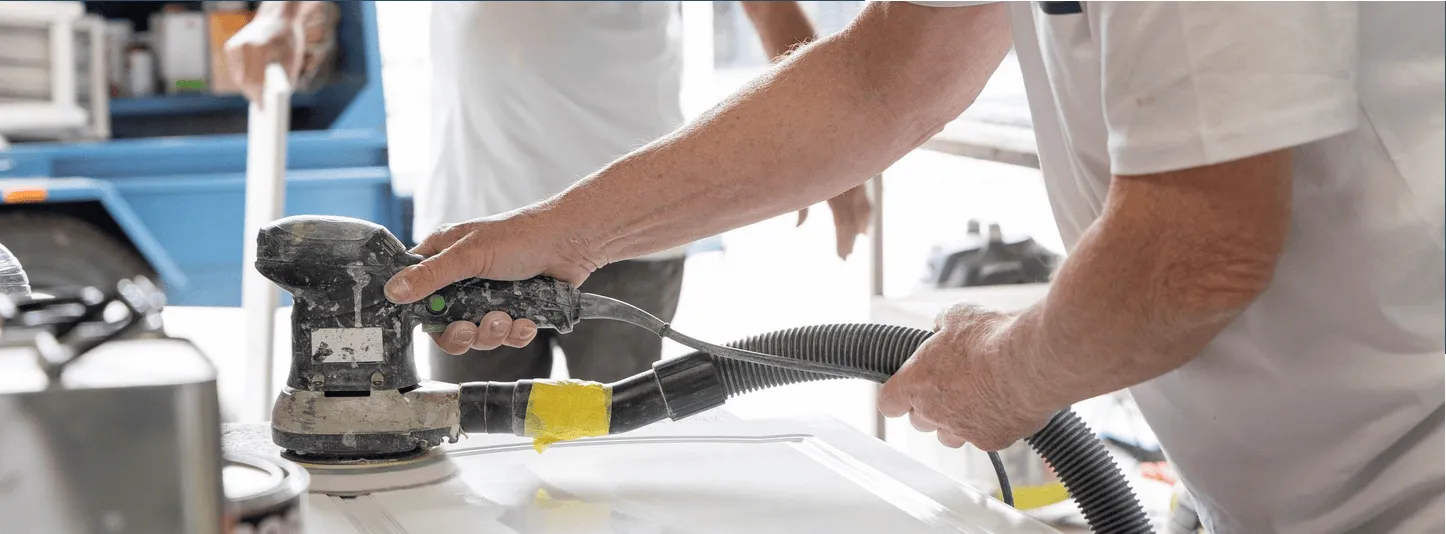
Respraying is the professional version of painting cabinets. Doors and drawer fronts are labelled, removed and taken to our factory spray booth in Welshpool, where they're cleaned, repaired, sanded, primed and sprayed with marine-grade 2-pack paint with UV protection. Frames, side panels and kickboards are prepared and sprayed on site with the kitchen masked and protected. Vinyl-wrapped doors are stripped completely before spraying. The result is an even, durable finish without brush marks.
The benefits of respraying
- Value for money. You pay for a new finish, not new carcasses, benchtops and the trades that come with them.
- Speed. A kitchen with doors and benchtops usually takes about 3 to 4 days, and can be used again 24 to 48 hours after we finish.
- Any colour. Any colour is possible, with colour matching available, in flat, satin or gloss.
- A factory-like finish. Booth spraying gives a smooth, consistent finish that brushing and rolling can't match.
- Durability. 2-pack paint cures into a hard film; with proper preparation and care, a resprayed kitchen can last 10 to 15 years.
- Less waste. Sound cabinets stay out of landfill.
- A consistent home. Laundry and vanity cabinets can be resprayed in the same colours for a coordinated look.
What does cabinet respraying cost?
Cabinet respraying is quoted job by job because no two kitchens are the same. A compact apartment kitchen with ten flat doors is a very different job from a large family kitchen with shaker doors, an island, tall pantry units and open shelving. The condition of the existing finish, whether doors are vinyl-wrapped, and whether you want benchtops done at the same time all change the amount of work involved. That's why any figure you see online is only a rough guide, and why a site visit and written quote are the only reliable way to know your cost.
The main cost factors
1. Number of doors, drawers and panels
The biggest driver is how many pieces need preparing and spraying. Each door and drawer front is handled individually, both sides, plus edges. End panels, kickboards, fillers and bulkheads add to the total.
2. Door style
Flat doors are the quickest to prepare and spray. Shaker, routed and profiled doors have recesses and edges that take longer to sand and coat evenly.
3. Existing finish
Painted or lacquered doors in good condition need cleaning, sanding and priming. Vinyl-wrapped doors need the vinyl stripped completely first, which adds time. Peeling or damaged finishes may need more repair work.
4. Condition and repairs
Chips, dents, swollen edges and old handle holes all need filling and shaping before spraying. Water-damaged sections may need repairing or replacing first.
5. Paint system
Marine-grade 2-pack paint costs more than standard household paint, but it's far harder and more durable. UV protection helps prevent yellowing in sunny Perth kitchens.
6. Application method
Spraying doors in a controlled booth gives a smoother, more even and more durable finish than brushing or rolling in place.
7. Extras
Benchtop resurfacing, new handles, colour matching to another room, or two-tone colour schemes all affect the final quote.
How kitchen size and layout affect the quote
Layout matters as much as size. A straight galley kitchen with a single run of base and overhead cabinets is relatively simple. L-shaped and U-shaped kitchens add corner units, which often have awkward blind corners or lazy Susan doors. Islands add end panels and sometimes a seating overhang with its own panels. Tall pantry and oven towers add large doors and side panels. Open shelving, glass-fronted doors and decorative mouldings all take extra time to mask and coat. When we quote, we count every piece and look at how accessible each part is, so the price reflects the actual work rather than a rough square-metre guess.
Material makes a difference
MDF and painted doors
Painted MDF is the most common door material in Perth kitchens and takes 2-pack paint very well once it's properly prepared.
Vinyl-wrapped (thermolaminate) doors
These have a plastic film over an MDF core. The film must be stripped completely, and the core prepared, before spraying. It's extra work, but it eliminates the peeling that vinyl is known for.
Laminate doors
Laminate needs thorough sanding and a primer designed to bond to it. With the right preparation it can be resprayed successfully.
Timber doors
Solid timber and timber veneer can be painted, but the grain and any existing varnish need careful preparation to get an even finish.
What you're paying for in a professional job
- Preparation. Degreasing, cleaning, stripping vinyl, filling, sanding and priming. This is most of the labour and the main reason finishes last.
- Materials. Primers suited to each substrate and marine-grade 2-pack paint with UV protection.
- Booth spraying. Doors and drawer fronts taken to our Welshpool factory spray booth for an even, dust-free finish.
- On-site spraying. Frames, panels and kickboards sprayed in place, with the kitchen masked and protected.
- Handling. Labelling, transporting and refitting every door and drawer.
- Experience and warranty. Over 25 years of experience and a 2-year finish warranty.
Signs your cabinets are worth respraying
- The cabinet boxes are solid, with no swelling or soft spots
- Doors and drawers open, close and align properly
- The layout still works for how you cook and live
- The problem is the colour or finish, not the structure
If your cabinets tick these boxes, respraying is likely to give you the best value for money. If carcasses are badly water-damaged or the layout no longer works, we'll tell you honestly at your quote whether replacement makes more sense.
DIY vs professional vs replacement
| Option | Up-front cost | Finish quality | Durability | Time and disruption |
|---|---|---|---|---|
| DIY brush or roller | Lowest | Brush marks likely | Often short-lived | Many weekends |
| Professional sprayed 2-pack | Moderate | Smooth, factory-like | 10 to 15 years with care | About 3 to 4 days for doors and benchtops |
| New cabinets | Highest | New | Depends on materials | Weeks, with demolition |
Why preparation is most of the cost
When people see a respraying quote, they sometimes assume most of the money goes on paint. In reality, preparation is where most of the labour sits. Kitchen doors carry years of cooking oil, fingerprints and cleaning residue that has to be completely removed before any coating can bond. Every door has to be sanded front, back and on all four edges. Chips and dents are filled and shaped by hand. Old handle holes may need filling if you're changing hardware. Primers have to suit the substrate. Skimping on any of this is the most common reason painted cabinets fail, so a quote with very little preparation built in should be treated with caution.
The real cost of DIY
DIY looks cheapest on paper, but the true cost includes your time, tools and materials, and the risk of a finish that doesn't last. Most consumer paints aren't designed for the grease, heat and constant handling a kitchen sees. Without proper degreasing and priming, paint can peel within months. Vinyl-wrapped doors are especially risky, because paint over vinyl tends to fail. A failed DIY job usually has to be stripped back before it can be professionally refinished, which adds to the eventual cost.
Why respraying beats replacement on cost
Replacing cabinets means paying for new carcasses, doors, benchtops and installation, plus removal of the old kitchen, and often plumbing, electrical and tiling work. Respraying keeps everything that still works and changes only the finish. That's why it's typically up to 70% cheaper, about a third of the price of a new kitchen.
Cost per year: the better way to compare
Comparing up-front prices only tells part of the story. A more useful measure is cost per year of use. A cheap paint job that peels after two years has to be redone, often at greater cost because the failed paint must be removed first. A professionally prepared and sprayed 2-pack finish that lasts 10 to 15 years with care spreads its cost over many more years. When you think about it this way, the option with the lowest initial price is rarely the cheapest overall.
How to compare quotes
- Ask about preparation. How will the doors be cleaned, sanded and primed? Will vinyl be stripped?
- Ask about the paint. Is it a 2-pack system? Does it include UV protection?
- Ask where doors are sprayed. In a booth or on site?
- Check what's included. Are end panels, kickboards and bulkheads in the price? Benchtops?
- Check the warranty. What does it cover, and for how long?
- Look at past work. Ask for photos of completed kitchens.
A lower quote that skips preparation or uses cheaper paint isn't better value if the finish fails in a year or two.
Is it worth respraying cabinets before selling?
If you're preparing to sell, respraying the cabinets is often one of the most cost-effective ways to improve how the kitchen presents. Buyers form opinions quickly from listing photos, and a dated kitchen can make the whole home seem older. A fresh, neutral finish makes the kitchen look cared for and lets buyers picture themselves in it, at a fraction of the cost of a new kitchen you won't get to enjoy.
Hidden costs to watch for
- Unlisted panels. Some quotes cover doors only and charge extra for end panels, kickboards and bulkheads.
- Vinyl surprises. If a quote doesn't mention vinyl stripping, ask how vinyl-wrapped doors will be handled.
- Repairs. Check whether filling chips and old handle holes is included.
- Handles. New handles are usually separate from the respraying price.
- Re-dos. A low-cost job without proper preparation can mean paying again within a few years.
A clear, itemised quote helps you understand exactly what's included and avoid surprises.
Ways to manage your budget
- Keep your existing handles if they suit the new colour, or choose new ones that fit existing holes.
- Do doors and drawer fronts first, and add benchtops later if needed.
- Choose a single colour rather than a two-tone scheme.
- Fix leaks and water damage before the job to avoid extra repairs later.
- Ask whether doing the laundry or bathroom vanity at the same time is more efficient.
What happens on the day
- Doors and drawer fronts are labelled, removed and taken to our Welshpool factory spray booth.
- The kitchen is masked and protected, and frames, panels and kickboards are cleaned, sanded and primed.
- Doors are prepared and sprayed in the booth with marine-grade 2-pack paint, while on-site areas are sprayed in place.
- Doors and drawers are returned and refitted, with new handles if you've chosen them.
A kitchen with doors and benchtops typically takes about 3 to 4 days, and the kitchen can be used again 24 to 48 hours after we finish.
Choosing a finish
Finish choice has less effect on cost than door count and condition, but it's worth thinking about. Satin is the most popular choice because it hides fingerprints and minor marks well. Flat finishes give a soft, modern look. Gloss is striking and easy to wipe clean, but shows imperfections and scratches more readily. Any colour is possible, with colour matching available, so you can match an existing benchtop, splashback or another room without paying for custom cabinetry.
Whatever your budget, a free quote is the best starting point. We'll walk through the options with you, explain what each one involves, and help you decide what's worth doing now.
Why choose Unique Resurfacing
Unique Resurfacing Australia is a family-owned Perth business with over 25 years of experience. We spray doors and drawer fronts in our Welshpool factory booth, use marine-grade 2-pack paint with UV protection, and back every job with a 2-year finish warranty. See our past projects for examples.
Common questions
How much does kitchen cabinet respraying cost in Perth?
It depends on the size of the kitchen, door style, existing finish and what's included. Professional respraying is typically up to 70% cheaper than replacing cabinets. A free quote gives you an accurate figure.
Is spraying better than brushing?
Yes. Spraying gives a much smoother, more even and more durable finish, especially on flat doors.
Does vinyl wrap add to the cost?
Yes, because the vinyl has to be stripped completely before the doors can be sprayed.
Will I need to move out?
No. Doors are sprayed off site, and the kitchen can be used again 24 to 48 hours after we finish.
Is there a warranty?
Every job comes with a 2-year finish warranty.
Can I get benchtops done at the same time?
Yes. See our benchtop resurfacing page.
Get an accurate quote
The only way to know what your kitchen will cost is to have it looked at. Call 0427 374 275 or request a free quote, and read more about our kitchen resurfacing service.