Perth's Ultimate Guide to Outdoor Kitchen Resurfacing

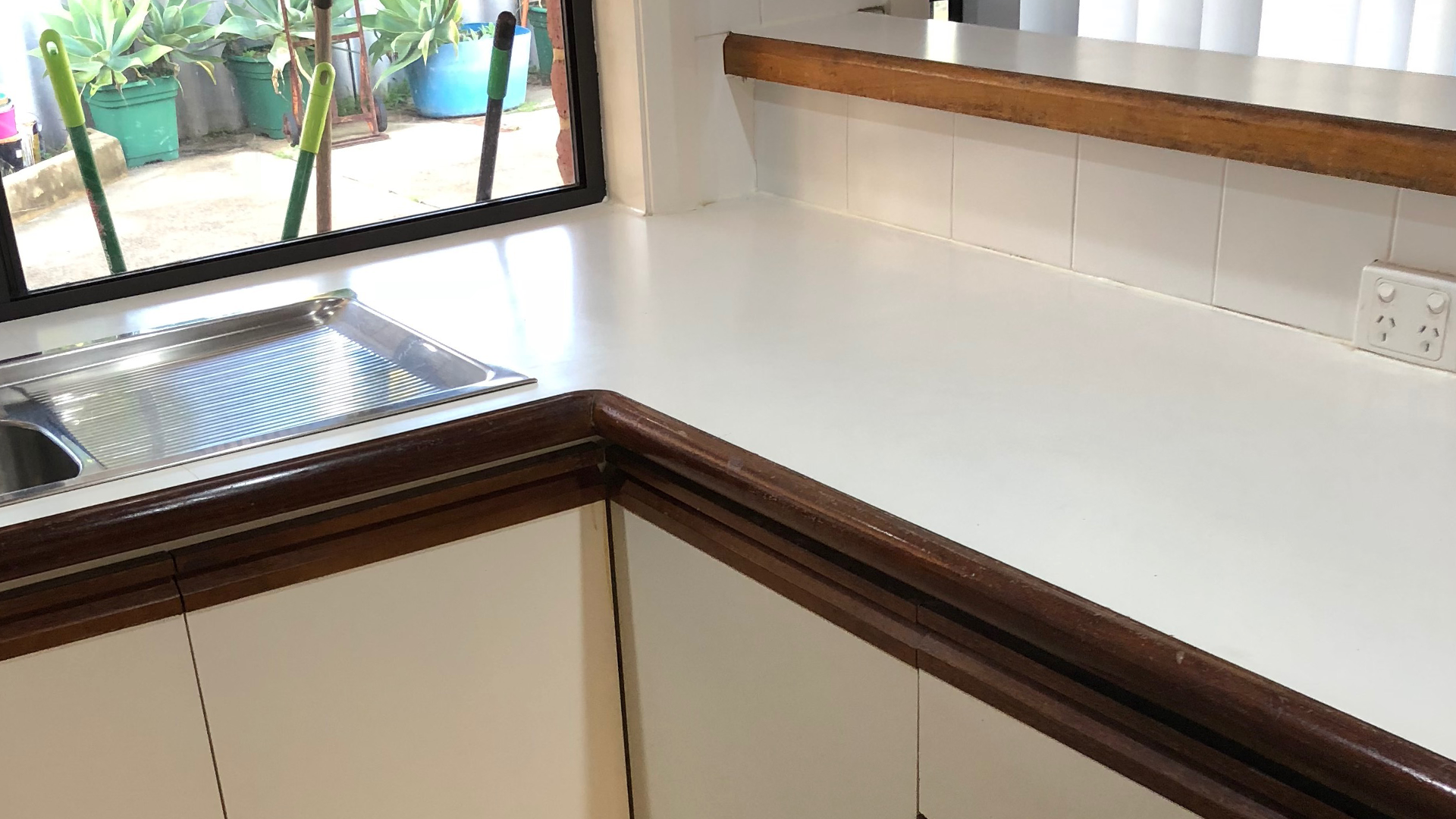
Outdoor kitchen resurfacing is about keeping the structure you already have and giving the visible surfaces a new, hard wearing finish. Instead of ripping out benchtops, cladding, cabinet faces, or splashbacks, a resurfacing specialist prepares the existing surface, repairs any damage, then applies new coatings or overlays that suit outdoor conditions.
You still cook, serve, and entertain in the same layout. It just looks and feels like a fresh outdoor kitchen, without the demolition dust or long downtime.
Resurfacing vs Full Outdoor Kitchen Renovation
What resurfacing covers
In an outdoor kitchen, resurfacing typically focuses on:
- Benchtops, including concrete, masonry, or older stone look tops
- Cabinet doors and drawer fronts on masonry, steel, or weather rated carcasses
- Splashbacks and surrounding walls, where coatings can refresh tired tiles or rendered surfaces
- Feature cladding, such as island faces or built in BBQ surrounds
The bones stay. The finishes change.
What a full renovation involves
A full outdoor kitchen renovation goes much deeper. You are looking at layout changes, new carcasses, services moved, new appliances, upgraded drainage, and sometimes structural work. You pay for demolition, disposal, new joinery, benchtops, trades, and longer project time.
Resurfacing avoids most of that because it uses what already works and focuses on what you can see.
Why Resurfacing Works So Well In Perth
Perth’s combination of strong sun, coastal air, and temperature swings is tough on outdoor finishes. Surfaces fade, chalk, peel, or stain long before the structure fails. That is exactly where resurfacing comes in.
For Perth homeowners, resurfacing is a smart option when:
- Your BBQ area looks tired, but the layout still suits how you cook and entertain
- You want a new look without losing the use of your alfresco for an extended period
- You prefer to invest in better appliances or shading instead of full demolition
For commercial properties, resurfacing helps you keep serving guests while lifting presentation and hygiene with tougher, easier to clean finishes.
If you are weighing up whether you actually need a full rebuild, it is worth speaking with a resurfacing specialist first. A quick inspection often shows that the structure is fine, and you only need targeted resurfacing to get the result you want. If you want a broader look at how resurfacing compares to traditional kitchen renovation, the team at Unique Resurfacing Australia breaks this down in detail across indoor and outdoor projects.
Common Issues With Outdoor Kitchens In Perth
Outdoor kitchens in Perth cop a lot more punishment than most people realise. If your alfresco is looking tired even though you do not use it that hard, the climate is usually the reason.
How Perth Weather Beats Up Outdoor Surfaces
Perth gets strong UV, coastal air, and regular temperature swings. Together, they are tough on benchtops, cabinet fronts, and splashbacks.
- Fading and chalking: Dark laminates, painted surfaces, and some stone look finishes can bleach out or go dull under constant sun. You will see patchy colour, flat spots, or a powdery feel on the surface.
- Cracking and movement: Concrete, masonry, and some tiled benchtops expand in the heat and contract when it cools. Over time this movement shows up as hairline cracks, open joints, or loose tiles around the BBQ or sink cut outs.
- Peeling and flaking coatings: Older paints and low grade sealers struggle outside. Moisture gets in, UV breaks the bond, and you end up with peeling patches that trap dirt and look worse every season.
- Corrosion near the coast: Metal trims, exposed fixings, and poor quality hardware suffer when you are closer to the ocean. Rust stains can bleed onto nearby benchtops and cladding.
Staining, Grease, And Everyday Wear
Outdoor kitchens have to deal with food, drinks, and weather at the same time. That combination is hard on porous or unsealed materials.
- Permanent stains from oils, wine, marinades, and sauces that soak into concrete, grout, or textured stone look finishes if they were never properly sealed.
- Grease build up that bakes on around BBQs, especially on rough or pitted surfaces where cleaning is already awkward.
- Etching and dull spots when acidic foods or harsh cleaners hit sensitive surfaces and leave a patchy, uneven sheen.
Outdated Surfaces That Let The Space Down
Even when the structure is rock solid, old colours, dated tile patterns, or mismatched benchtops can drag the whole alfresco down. For commercial operators, tired finishes can work against the standard you want guests to see, even if the kitchen functions fine behind the scenes.
This is where outdoor kitchen resurfacing makes sense. You keep the masonry, layout, and services that still work and focus on renewing the weather exposed and high wear surfaces with tougher coatings or overlays that suit Perth conditions.
If you want to dig deeper into how resurfacing holds up across busy homes and commercial spaces, it is worth having a look at the broader guides on residential resurfacing in Perth and commercial resurfacing projects from the Unique Resurfacing team.
Popular Materials And Finishes For Outdoor Kitchen Resurfacing In Perth
Outdoor kitchens in Perth need finishes that can handle UV, heat, and coastal air, without looking rough after the first summer. When you resurface instead of rebuild, the material you choose for the new skin over your existing structure is what decides how it looks, feels, and holds up.
Concrete Overlays
Concrete overlays suit Perth alfresco areas that need a tougher, seamless benchtop or cladding finish. A specialist applies a thin, high performance cement based layer over your existing concrete or masonry, then textures and seals it for outdoor use.
- Look: Can be smooth and contemporary, lightly textured, or stone inspired. Colour is built into the system, so you avoid obvious painted looks.
- Durability: Handles heat and UV well when properly sealed, and avoids grout lines that trap grease. Good for busy family or commercial cooking zones.
Stone And Stone Look Finishes
If you want a more premium feel without replacing the whole benchtop, stone and stone look resurfacing systems give you that heavier, solid look over existing substrates.
- Look: From subtle, fine grain styles through to bolder stone patterns. Works well with the natural, earthy palettes that are popular in Perth kitchens in 2026.
- Durability: Designed to cope with outdoor use when paired with the right sealer. Less porous than many older concrete or tiled tops, which helps with stain resistance.
If you want a deeper dive into stone look finishes inside the home, the guide on stone look benchtop resurfacing gives a good overview of how these systems behave.
Tiles And Retiled Surfaces
Retiling is sometimes used as part of a resurfacing style update, especially on vertical faces and splashbacks.
- Look: Lets you bring in pattern, gloss, or feature colours. Works well when you want a clear break from the old style.
- Durability: Tiled surfaces hold up outside if you choose low porosity tiles and outdoor rated grout. The trade off is more joints to clean and maintain.
Weather Resistant Coatings
For many Perth outdoor kitchens, high build, weather resistant coatings are the most practical choice, especially over masonry cabinets, rendered walls, or older surfaces that need a uniform finish.
- Look: Smooth, satin, or low sheen finishes that can run across benchtops, faces, and splashbacks for a seamless feel. Colour options cover neutrals, deep charcoals, and lighter coastal tones.
- Durability: Formulated to handle UV, moisture, and regular cleaning. When correctly prepped and sealed, these coatings give you good resistance to peeling, chalking, and general wear.
How To Match Material To Your Outdoor Space
When you choose a resurfacing material for a Perth outdoor kitchen, think in terms of three checks.
- Exposure check: Is the area fully open, semi enclosed, or well protected from sun and rain
- Usage check: Light weekend use, regular family cooking, or commercial traffic with frequent cleaning
- Cleaning check: How much time you realistically want to spend on maintenance, and whether you prefer seamless surfaces or do not mind grout lines
Once you are clear on those three, a resurfacing specialist can steer you toward the right system instead of guessing off brochures. If you want to see how different kitchen finishes carry through from indoors to your alfresco, the broader guide on kitchen resurfacing is a good starting point.
Benefits Of Outdoor Kitchen Resurfacing Over Full Replacement
If your alfresco kitchen in Perth looks tired, you do not automatically need to rip it out. Resurfacing the existing structure gives you the visual upgrade and protection you want, without the cost and chaos of starting again.
Cost Savings You Can Put To Better Use
With resurfacing, you are paying to update the visible surfaces, not rebuild the whole kitchen. The masonry, carcasses, and layout stay in place, so you avoid demolition, disposal, and full new joinery. That frees up budget for what actually improves daily use, such as a better BBQ, bar fridge, or shading. If you like to run the numbers before you decide, the broader guide on whether resurfacing is worth it for Perth kitchens gives a useful comparison.
Faster Turnaround, Less Downtime
Resurfacing is far quicker than a full rebuild because the structure is already there. Preparation, repair, and new finishes usually happen in a tight, planned sequence. You are not waiting on multiple trades, custom joinery, or complex service changes.
The result is simple. Your outdoor kitchen is out of action for a much shorter window. That matters if you host often, rely on the space for commercial service, or just do not want a construction site in your backyard for weeks.
Less Disruption To Your Home Or Venue
Because resurfacing keeps the layout and core structure, there is less noise, dust, and mess. You avoid heavy demolition, skip major structural work, and reduce the risk of surprises once things are pulled apart.
For homes, that means you keep using most of your outdoor area while the work happens in a controlled zone. For commercial properties, it helps you schedule work around service to keep trading, instead of shutting down a key area for an extended stretch.
A More Sustainable Way To Update
Resurfacing is straightforward from a sustainability angle. You keep what still works and only replace the worn or dated outer layer. That means less material going to landfill and fewer new resources pulled in just to change the look.
You also extend the lifespan of your existing outdoor kitchen by protecting it with modern, weather ready coatings and overlays. If you like the idea of updating other areas of your home the same way, the team at Unique Resurfacing Australia uses similar approaches for laundries and indoor kitchens.
Step By Step Outdoor Kitchen Resurfacing Process
When outdoor kitchen resurfacing is done properly, it follows a clear, methodical process. That is what keeps the finish looking sharp and weather ready in Perth conditions, instead of peeling after the first summer.
1. Inspection And Material Check
Every job starts with a close inspection of your existing benchtops, cabinets, and surrounds. The resurfacing specialist checks what materials are there, how solid they are, and where movement, moisture, or rust might be hiding.
The goal is simple. Confirm that the structure is sound enough to resurface, and choose a system that actually suits those substrates and your level of exposure.
2. Cleaning And Surface Preparation
Preparation is where most of the real work happens. Outdoor kitchens gather grease, sunscreen, dust, and airborne salts if you are near the coast. All of that needs to come off.
- Degreasing with commercial grade cleaners to strip BBQ fat and oils
- Thorough rinsing and drying so no residue sits under the new finish
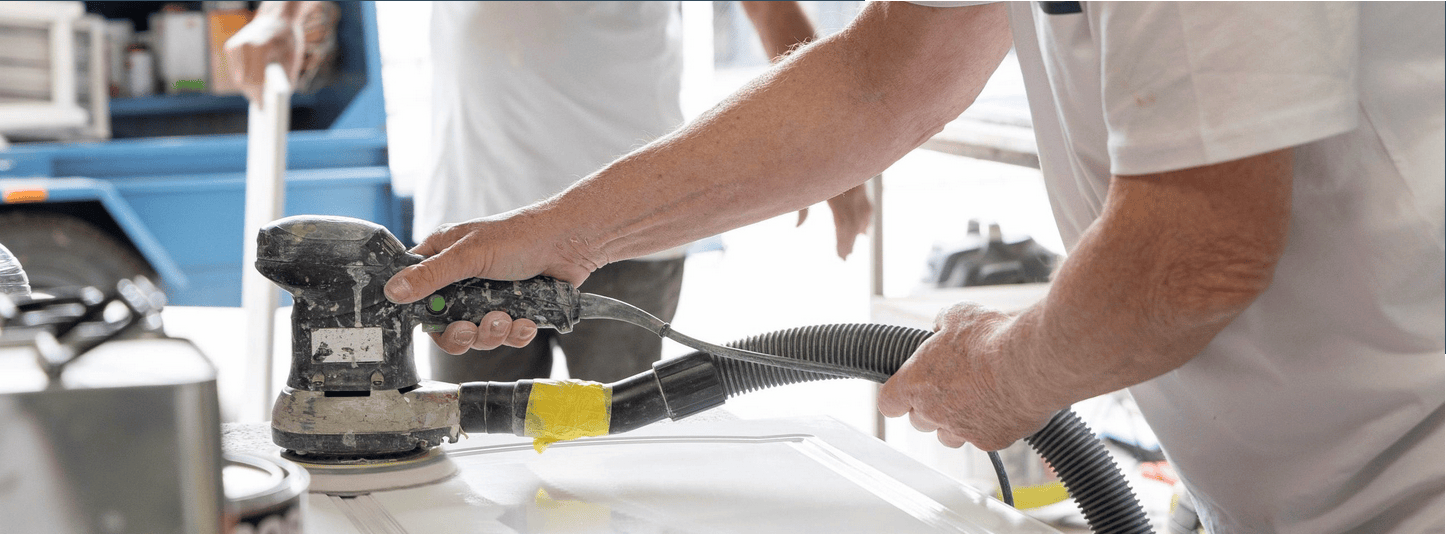
- Mechanical keying, such as sanding or grinding, to help new coatings or overlays grip
- Dust removal so the surface is clean, dry, and ready to bond
No short cuts here. If prep is rushed, the coating will not last, especially outside.
3. Repairing Damage And Imperfections
Once everything is clean and keyed, the next step is fixing defects. That might include:
- Filling cracks in concrete or render
- Patching chipped edges around benchtops and openings
- Repairing loose tiles or failed grout where needed
- Spot treating rust stains or minor corrosion on trims and hardware
The idea is to create a stable, even base. Resurfacing products are not there to hide structural issues, so this stage is where the specialist is brutally honest about what can stay and what needs more serious work.
4. Applying Primers And Bond Coats
Different substrates need different primers. A good installer matches the primer to both the existing material and the resurfacing system being used. This bonding layer is what ties old and new together and reduces the risk of future peeling.
5. Installing The New Resurfacing System
This is the visible part that everyone focuses on, but it only works because of the previous steps.
- Concrete overlays are trowelled or sprayed on in thin layers, then worked to the texture and profile you want.
- Stone or stone look systems are built up in controlled coats to create depth and pattern.
- Weather resistant coatings are sprayed or rolled on in multiple passes for even coverage and a consistent finish.
Depending on the system, there may be several coats with set curing times. Good trades schedule this carefully so your outdoor area is out of action for as little time as practical. If you want a feel for how that works indoors, the guide on kitchen resurfacing in Perth walks through similar steps.
6. Detailing And Edge Work
Edges, corners, and transitions around BBQs, sinks, and walls need proper detailing. This is where experience shows. Clean lines, consistent textures, and neatly resolved joins stop the finish from looking like a rushed paint job.
7. Sealing And Curing For Perth Conditions
The final stage is sealing the resurfaced areas to protect against UV, moisture, and staining. The right sealer depends on the system and how exposed your alfresco is.
Once sealed, the surface needs a set curing period. During this time, you avoid dragging furniture, using harsh cleaners, or parking a hot plate directly on the benchtop. A professional crew will leave you with clear, written care instructions, similar to what you would receive after indoor benchtop work covered in the kitchen benchtop resurfacing guide.
When every step is done properly, you end up with an outdoor kitchen that looks new, feels solid, and is set up to handle Perth weather for the long haul.
Choosing The Right Professional For Your Outdoor Kitchen Resurfacing Project
Outdoor kitchens in Perth are tough environments, so the person you trust with resurfacing matters just as much as the products they use. You want someone who understands UV, heat, and coastal exposure, and who treats preparation as seriously as the final colour choice.
What To Look For In A Resurfacing Specialist
Start with the basics, then go deeper.
- Specific resurfacing experience with outdoor kitchens, not just indoor cabinetry or general painting.
- Knowledge of Perth conditions, including how different systems cope with sun, wind, and coastal air.
- Clear process from inspection and prep through to sealing and curing, not vague promises.
- Use of proven systems that are designed for exterior use, with primers and sealers matched to your substrates.
If you want to understand how seasoned resurfacing crews think and work, the insights shared across the Unique Resurfacing story give a feel for that mindset.
Key Qualifications And Checks
For residential and commercial projects, run through a quick checklist before you sign anything.
- Licences and insurances appropriate for surface finishing and the type of property you own.
- Product knowledge, including what systems they recommend for outdoor use and why.
- Training on specific products, not random mixtures of paints and sealers.
- Transparent documentation covering scope, preparation, number of coats, and aftercare requirements.
Questions To Ask Before You Commit
Use direct, practical questions so you can compare trades properly.
- What prep will you carry out on my specific surfaces and how long will it take
- Which resurfacing system will you use outside and how has it performed in Perth
- How do you handle cracks, movement, or moisture issues before coating
- What curing time do I need to allow before cooking or placing hot items back on the benchtop
- What written information will I receive about care, cleaning, and expected performance
Ensuring Quality Workmanship And Materials
Quality shows up in the small details. Edges are clean, joins are resolved properly, textures are consistent, and there is no overspray on nearby brickwork or flooring. A good resurfacer walks you through the finished area, explains the curing window, and leaves you confident rather than guessing.
If you want a straightforward way to discuss your own alfresco, reach out to the team through the Unique Resurfacing contact page. A short, honest conversation will quickly tell you whether resurfacing is the right move for your outdoor kitchen or if you need a different approach.
Maintenance Tips For Your Resurfaced Outdoor Kitchen In Perth
Once your outdoor kitchen has been resurfaced, the way you look after it will decide how good it looks in a few seasons’ time. Perth’s UV, heat, and coastal air are unforgiving, but with the right habits you can keep the finish looking sharp for the long haul.
Day To Day Use Without Damage
Treat your new surfaces as you would any quality benchtop or coating.
- Use chopping boards and trivets so knives and hot pans never go directly on the surface.
- Wipe spills promptly, especially oil, wine, acidic foods, and marinades, so they do not sit and bite into the sealer.
- Avoid dragging BBQs, barstools, and decor across benchtops or cladding. Lift and place instead.
These small habits stop early scratching, burn marks, and etching.
Cleaning That Suits Perth Conditions
Outdoor kitchens collect dust, airborne salts, and BBQ residue. Build a simple cleaning rhythm.
- Regular wipe downs with a soft cloth or sponge and mild detergent in clean water.
- No harsh abrasives such as scourers, steel wool, or gritty powders that can cut through the coating.
- Avoid strong solvents and bleach unless your resurfacing installer has confirmed they are acceptable for your specific system.
For detailed product safe cleaning ideas, you can cross check with the care notes that resurface crews often discuss in guides like the resurfacing lifespan overview for Perth homeowners.
Protecting Against Sun And Weather
Perth UV is tough on any exterior finish, even high performance coatings.
- Use covers or blinds where practical to shade benchtops and cabinetry during the hottest parts of the day.
- Keep water from pooling on flat areas by checking falls and wiping away standing water after heavy rain.
- Rinse coastal salt off regularly if you are near the ocean, using fresh water and a soft cloth.
Seasonal Maintenance And Resealing
Your resurfacer will usually give a guideline for inspection and resealing intervals. Stick to it. A simple seasonal routine works well.
- Inspect surfaces for dull patches, fine cracking, or rough spots in high wear zones.
- Tidy up silicone, caulking, and joints around sinks and BBQs so water cannot sneak behind finishes.
- Discuss resealing with your resurfacing professional if you notice water soaking in rather than beading on top.
If you like to plan ahead for how long different resurfacing systems tend to last across your home, the guide on how long resurfacing lasts in Perth is a useful read.
If you keep up with these basic habits, your resurfaced outdoor kitchen will stay cleaner, look better, and handle Perth’s climate with far fewer headaches. When you are ready to talk through a specific alfresco area, you can always have a low pressure chat with the Unique Resurfacing team about the right care plan for your materials.